Impact
Work acquires lasting meaning when its influence extends beyond the individual. Through collaboration, stewardship, and shared knowledge, today’s efforts become part of tomorrow’s patient care.
Every research project, educational initiative, and clinical innovation seeks the same purpose: improving the care patients receive.
Their influence, however, extends beyond individual encounters.
When knowledge is shared, refined, challenged, and implemented by a broader community, its benefits continue long after a single study, operation, or conversation has ended.
Impact is therefore measured not only by what is accomplished, but by what continues because of it.
Improving patient care
The first measure of meaningful work is whether it helps improve decisions and outcomes for patients.
Research contributes by generating evidence.
Education contributes by sharing that evidence.
Innovation contributes by making knowledge more accessible.
Together they help transform scientific understanding into better clinical care.
Building knowledge together
No meaningful advance in medicine is the work of one individual.
Progress is sustained by communities that question, refine, validate, and share knowledge together.
Scientific journals, textbooks, peer review, professional societies, guideline development, and international collaboration all contribute to strengthening the quality of medical knowledge.
These activities are not separate from patient care.
They help ensure that reliable evidence reaches those entrusted with clinical decisions.
Stewardship in Practice
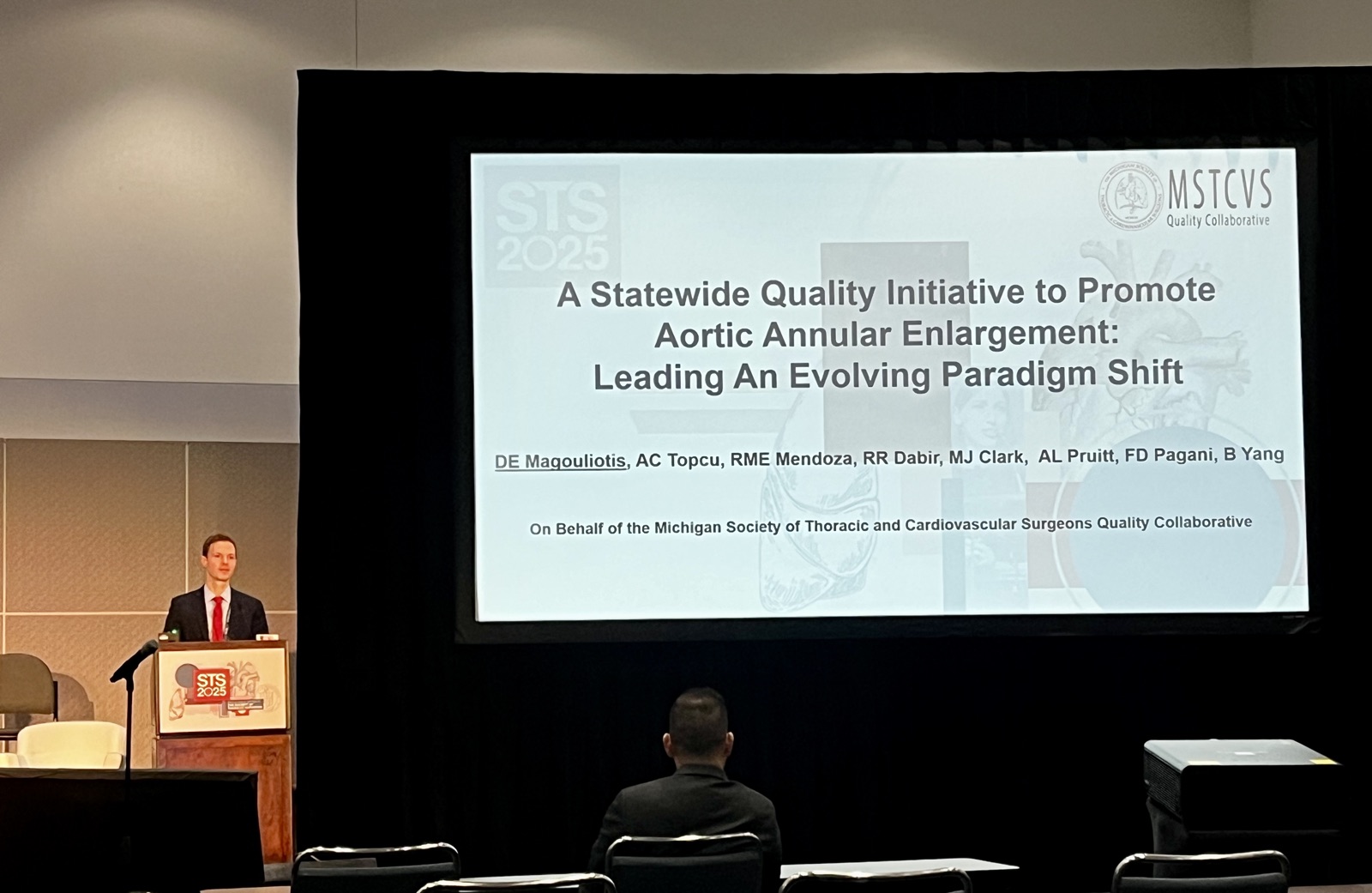
This philosophy is expressed through a variety of collaborative academic activities, including:
- Editing books dedicated to quality improvement and clinical outcomes.
- Serving on editorial boards and reviewing manuscripts and competitive research funding.
- Contributing to guideline and task-force initiatives.
- Collaborating with investigators and institutions across Europe and the United States.
These responsibilities share a common purpose:
to strengthen the quality, accessibility, and implementation of medical knowledge for the benefit of patients.
Recognition Follows Responsibility
Recognition is meaningful only insofar as it creates greater responsibility.
International distinctions are valued not as destinations, but as encouragement to continue contributing through research, education, collaboration, and patient care. Among them are inclusion in the Stanford University / Elsevier list of the world’s top 2% of scientists, ScholarGPS recognition, the Study UK Alumni Award for Science and Sustainability, and the EACTS / Francis Fontan Fellowship.
Recognition widens responsibility.
It never concludes it.
Looking ahead
Impact is never complete.
Each contribution becomes part of a larger effort that extends across institutions, disciplines, and generations.
The next gallery steps away from biography to reflect more broadly on medicine, research, decision-making, and the pursuit of better patient care.