Teaching
Knowledge has its greatest impact when it is shared.
Every lesson learned through patient care, research, and collaboration has the potential to benefit far more people when it is shared with others.
Teaching is therefore not separate from clinical practice.
It is one of its natural continuations.
Learning never ends
Medicine evolves continuously.
Every physician remains a student throughout their career.
The responsibility to learn is inseparable from the responsibility to care for patients.
Teaching begins by remaining open to new knowledge.
Sharing multiplies care
Knowledge applied to one patient benefits one individual.
Knowledge shared with colleagues, students, and researchers has the potential to improve care for many more.
Education extends the reach of every clinical experience beyond the walls of a single institution.
Beyond the classroom
Teaching takes many forms.
It may occur through mentorship, research, scientific writing, collaboration, educational resources, or thoughtful discussion among colleagues.
What matters is not the format.
What matters is helping others make better decisions.
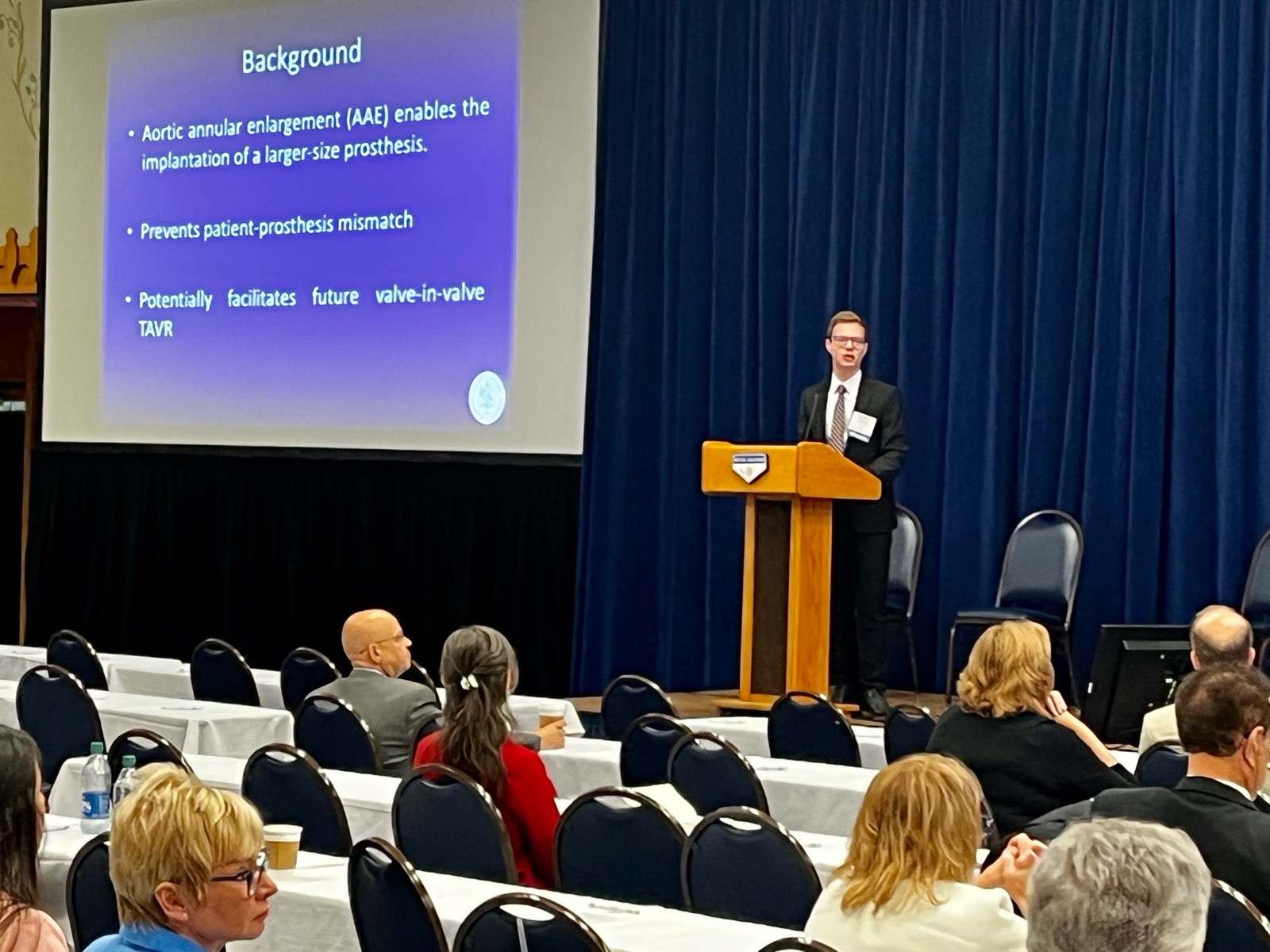
Teaching in Action
These principles are expressed through different forms of educational activity.
One example has been contributing as invited faculty to the EACTS Next Generation educational web series, where I presented “From ED to Surgery – How to Treat Coronary Artery Disease.” The series was created to introduce medical students and early-career doctors to cardiothoracic surgery and encourage the next generation of surgeons.
Another example is AskDimitri, an educational initiative developed to help clinicians and researchers navigate medical literature, strengthen research skills, and engage more confidently with evidence-based medicine.
Although these initiatives take different forms, they share the same purpose: making reliable knowledge more accessible so that better evidence can support better decisions.
Looking ahead
Every lesson shared becomes part of someone else’s future decisions.
The measure of education is not what is taught, but how it improves the care patients receive.
The next gallery explores how these ideas contribute to broader and more lasting impact.